The hours after school can get weird. Your kid’s bouncing between tired and wired, and you’re trying to figure out how to keep them busy without burning them out. The usual lineup, like sports or academic clubs, doesn’t always fit. Maybe your kid’s outgrown them, or maybe they never really fit to begin with. Either way, it leaves you searching for something with a little more purpose. The good news? A bunch of meaningful, low-pressure options exist; you just don’t hear about them enough. Here are a few that can stretch your child in the right ways without forcing it.
STEM Projects After School
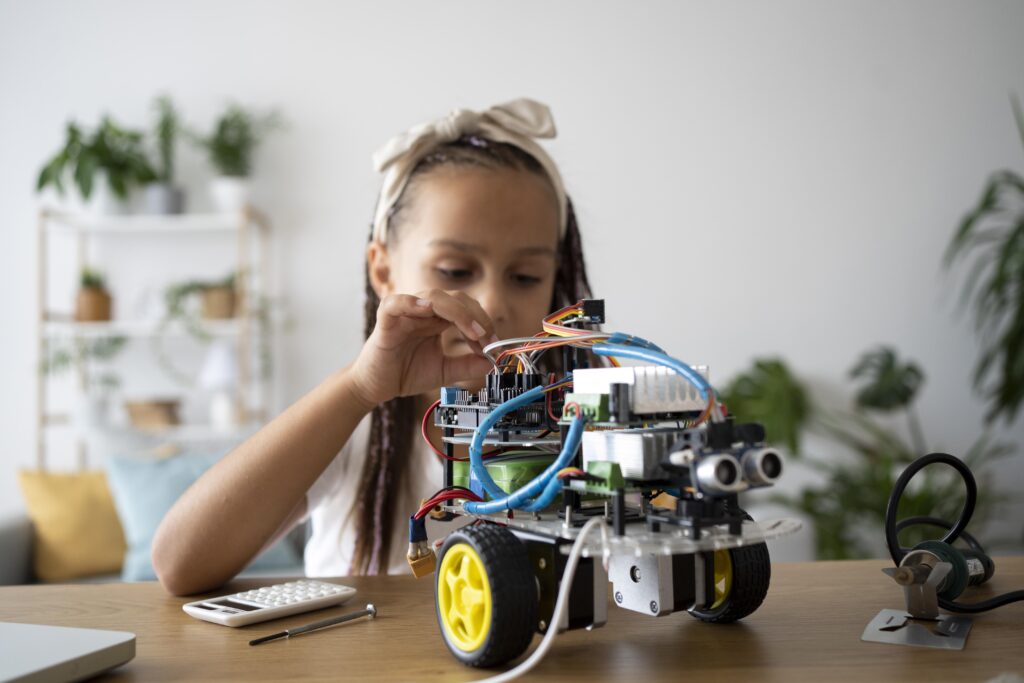
Some kids love a good mess if it means figuring something out. For them, STEM isn’t a subject, it’s a challenge. Projects that involve wiring simple circuits or figuring out how to balance structures keep their hands busy and their brain tuned in. The goal isn’t to be correct, but to be curious. And in the middle of trying and retrying, they’re quietly thinking through steps to reach a result without being told to. That’s a skill most adults are still working on. These small wins build something way more useful than test scores: real follow-through.
Hands-On Craft Builds Focus
Give a kid yarn, glue, or paper and see what happens. When they craft, they settle into a rhythm you can’t force. It’s slow, and that’s kind of the point. Kids who draw, sew, or sculpt start to get better at finishing things, not because they have to, but because they want to see how it turns out. There’s a focus there that can’t be faked. And when they’re making something start to finish with their hands, they learn to sit with boredom long enough for it to turn into something else entirely.
Playing Music With Intention
If your kid has ever tapped a pencil like it owed them money, there’s probably a rhythm trying to get out. Learning an instrument gives that rhythm structure, and structure can do a lot of quiet good. They pick up patterns. They mess up, start over, and realize the world didn’t end. That kind of feedback loop builds grit faster than most lectures. And in the process, they’re slowly building consistency through personal effort, something that doesn’t depend on mood or motivation. It becomes theirs, and that makes it stick.
Learning Another Language
Language learning at a young age isn’t just about flashcards and pronunciation drills. It’s about listening closely, making mistakes, and trying again—often in real time. When kids spend even a small amount of time on a second language, they start to notice how words carry feeling, how tone matters, how conversations can work a little differently. These small shifts do more than boost memory or vocabulary. They help kids start building social awareness through language, something that strengthens how they interact in any setting. Whether they’re learning through an app, games, or a tutor, the payoff isn’t just in language. It’s in how they start to carry themselves around others.
Starting a Small Business
For teens who like taking initiative, starting a small business can turn after-school hours into something productive and self-driven. It gives them a chance to learn time management, communication, and responsibility by doing, not just hearing about it. Popular options include babysitting, tutoring, dog walking, tech help for seniors, selling crafts, or yard work. These aren’t side hobbies, they’re opportunities to build confidence while meeting real needs. If they’re ready to take it seriously, they can even create their own print on demand business cards using an app that offers AI-powered design tools, customizable templates, and clean layouts.
Blogging for Kids Who Like to Write
Not every kid wants to talk things out. Some think better when they type. If yours is already writing reviews, making lists, or journaling without being asked, a blog might click. It gives them space to work things out in full sentences. No grades, no feedback loops, just a place to put their thoughts where others might read them. And in doing that, they get sharper. More deliberate. Writing regularly in their own space online gives them a rhythm for expression they can carry into anything else they try.
Volunteering With Purpose
Help means more when you’re the one giving it. Teens especially seem to grow fast when they’re needed. Whether it’s tutoring younger students, helping neighbors with tech, or just showing up consistently at a food pantry, giving time builds a sense of place. They notice how systems work, or don’t. They understand how they fit into something bigger than themselves. That feeling sticks. And when they start finding purpose through helping others, it hits differently than school or chores. It’s not about reward, it’s about being real.
This isn’t about packing the calendar. It’s about giving your kid something that doesn’t just fill time but feeds it. You won’t get it right every time. Some things won’t stick, and that’s fine. The point is offering options that invite them to try, not force them to perform. You’re looking for something that meets them where they’re at but lets them stretch. And when you find it, even if it’s weird or small or unexpected, you’ll see it. In how they talk. In how they focus. In how they carry themselves after the bell rings.