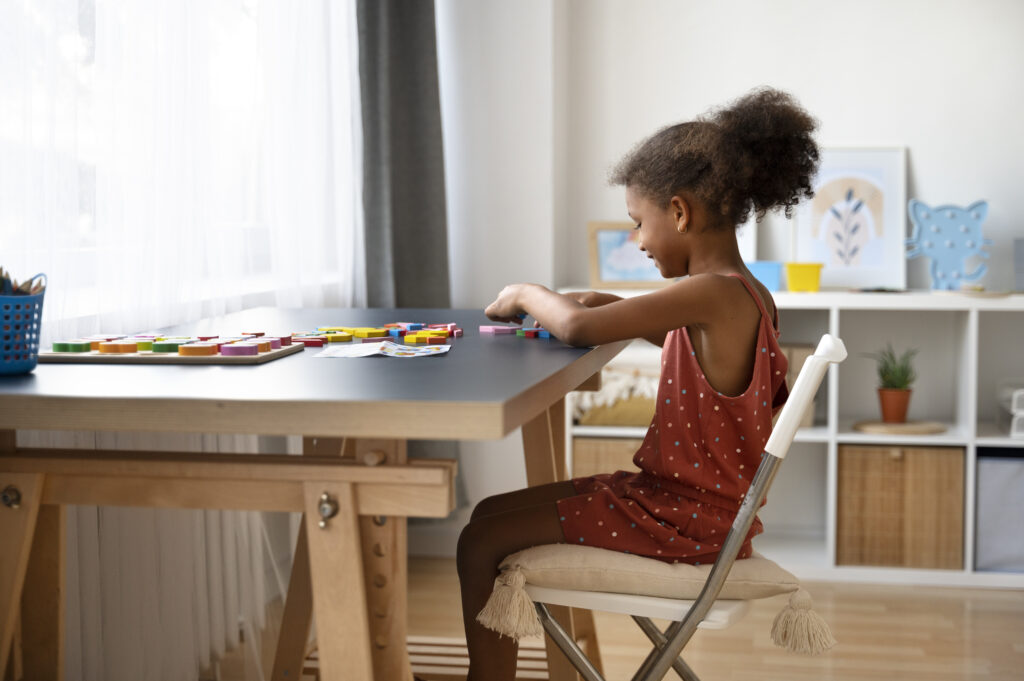
Not every kid sits still with a workbook. You know this. If you’re raising a child with special needs, then you’ve likely tossed out more “proven” methods than you can count. The truth? Your kid doesn’t need to be taught harder. They need learning that makes sense to them. That feels safe. Feels interesting. Feels like something they want to keep doing.
Tactile Activities That Support Engagement
Some kids learn best through their hands—literally. Think rice bins, soft clay, textured puzzle mats, weird slime with glitter in it. It might look like a mess, but it’s actually a whole nervous system breathing a little easier. Playing with textures builds fine motor skills, yes, but it also lowers anxiety and sharpens focus. Try tossing letters or tiny animals in a bin of beans and let your child dig, find, sort. When it feels good to touch, it feels better to think.
Physical Play as a Learning Tool
Try this: give instructions, then let your kid hop them out. Or make a maze in the living room using couch cushions and say, “Only pick up the red cards.” Now you’ve got color recognition, gross motor activity, and problem solving… all wrapped into what looks like chaos. And you didn’t even say “worksheet.” Some children have to move in order to process. Forcing stillness when a body wants to move? That’s like asking a radio to play music with the volume turned off.
Using Art to Foster Expression
Hand a kid a blank piece of paper and crayons, and you might be surprised by what shows up. Emotions that don’t come out in conversation show up in color. Maybe there’s a scribble tornado that says, “I’m overwhelmed,” or a drawing of a happy dinosaur wearing headphones. Don’t overanalyze—just offer the space. Art doesn’t have wrong answers. Let them pick the materials, the theme, the pace. Control breeds calm. And calm opens the door to everything else.
Digital Design as a Creative Outlet
Letting your child design their own custom pillow online? Sounds small. It’s not. Choosing colors, adding a photo, tweaking shapes—it all supports creativity, coordination, and a sense of ownership. The templates are simple, so they’re not buried in frustration. And when their creation becomes a real, huggable pillow? That moment lands. They made something. It matters more than you’d think.
Incorporating Music for Multi-Sensory Learning
A steady beat can do what a lecture can’t. Music hits the brain on multiple levels: rhythm, memory, movement, joy. You don’t need a drum set—grab spoons, buckets, clap patterns. Make noise with them, not at them. For kids who struggle with speech or focus, music helps regulate breath, emotion, timing. Plus, it’s fun. And fun gets remembered.
Interactive Storytelling for Cognitive Growth
Some kids aren’t listening when you read aloud. That doesn’t mean they don’t like stories—it means they need stories to move. Use photos, draw sequences, record your voice and let them tap to hear. Retell their day like it’s a fairy tale. “First, the brave explorer woke up and tackled the sock drawer monster…” Let them jump in. Point to pictures. Reorder scenes. Now they’re not just listening, they’re authoring.
Adapted STEM Projects for Skill Building
STEM doesn’t need to feel like school. It can be dropping food coloring in oil and watching it dance. Building a tower with random stuff and seeing what topples it. It’s about cause and effect, not correct answers. Let them explore at their speed. Let them walk away and come back. Curiosity sticks when it’s not constantly tested.
There’s no perfect formula here. Some days your kid will engage. Other days, you’ll feel like nothing lands. That’s okay. The point isn’t to win some imaginary race—it’s to build a rhythm that works for your child and doesn’t burn you out. Learning should feel like discovery, not drudgery. And when you lean into their way of seeing the world, you might start learning something new, too.
Unlock the potential of STEM for you and your family by visiting STEM Voodoo for resources, strategies, and inspiration to thrive in the ever-evolving world of science and technology!